Your old system is on its last legs, and the quotes are in. One contractor says a new gas furnace is the obvious choice for Kansas City winters. Another says a heat pump will heat and cool your home and cut your bills. Both sound confident, and both cannot be completely right.
Here is the honest answer to the heat pump vs furnace question in Kansas City: neither one wins in every home. Our climate sits right on the line where both make sense, which is why so many local homes are best served by a third option that uses both.
This guide compares the two on what actually matters here: heating cost using Missouri energy prices, performance on a 10-degree night, upfront cost, rebates, and the local factors that tip the decision.
Key Takeaways
- A furnace burns gas to make heat. A heat pump moves heat from outdoor air into your home and also cools your home.
- At current Missouri energy prices, a heat pump costs about the same as a high-efficiency gas furnace to run in mild weather, but more on the coldest days.
- Modern cold-climate heat pumps keep heating at 5°F, but their efficiency drops as temperatures fall.
- A dual-fuel system pairs a heat pump with a gas furnace and often fits Kansas City’s mix of mild and frigid winter days best.
- The federal heat pump and furnace tax credits ended on December 31, 2025. Spire and Evergy rebates, plus your existing equipment, now drive the math.
How a Heat Pump and a Furnace Actually Heat Your Home
The two systems solve the same problem in completely different ways, and that difference explains every trade-off that follows.
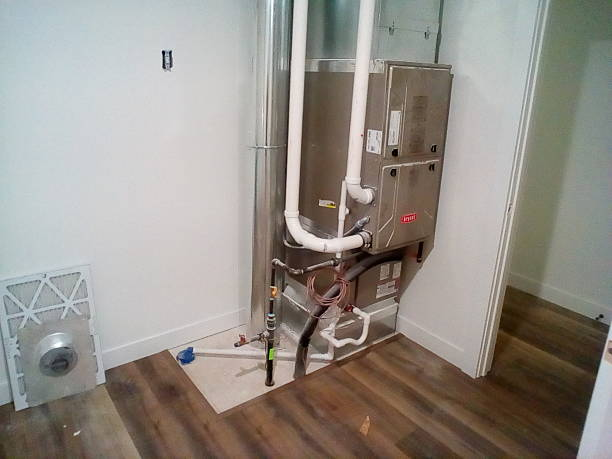
A gas furnace burns natural gas, runs the hot combustion gases through a heat exchanger, and blows air across it into your ducts. It makes heat. Its efficiency is measured by AFUE. According to the Department of Energy, modern high-efficiency condensing furnaces reach 90 to 98.5 percent AFUE, meaning almost all the gas becomes usable heat.
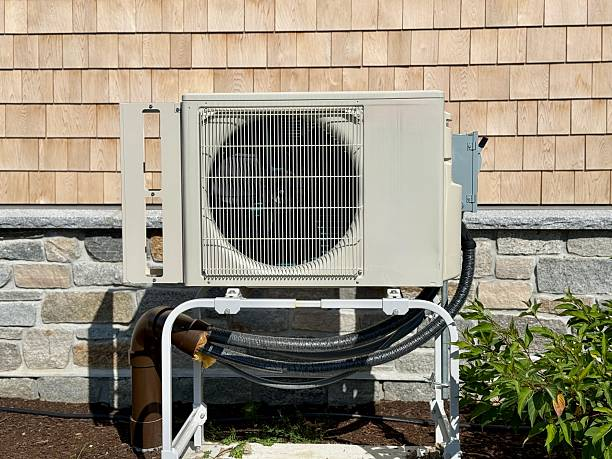
A heat pump does not make heat. It moves it. Even cold air contains heat energy, and a heat pump uses refrigerant and a compressor to pull that heat from outside and release it indoors. In summer, it runs in reverse and works as a central air conditioner.
Because it moves heat instead of creating it, a heat pump can deliver two to three units of heat for every unit of electricity it uses in mild weather. That ratio is called the coefficient of performance, or COP. The catch is that COP falls as the outdoor temperature drops, because there is less heat in the air to move.
Kansas City’s Climate Puts You in the Middle
Most heat pump vs furnace advice is written for either Florida or Minnesota. Kansas City is neither, and that changes the answer.
Kansas City sits in climate zone 4A, a mixed-humid zone. Winters are cold but not relentless. NOAA climate normals put the average January low at roughly 22 to 23°F, and a typical winter brings a long run of 30s and 40s with several hard arctic outbreaks mixed in.
That pattern matters. On a 40-degree November afternoon, a heat pump runs efficiently and beats most furnaces on cost. On a 2-degree January morning, the same heat pump is working much harder, and a gas furnace is usually cheaper and delivers hotter air.
Our summers matter too. Kansas City routinely sees humid days in the 90s. A heat pump replaces your air conditioner and your furnace, which is a big part of its value here.
Heat Pump vs Furnace: Kansas City Heating Costs Compared
This is the question most homeowners actually care about. To answer it honestly, we compared the cost of producing one million BTUs of heat using Missouri prices.
The inputs:
- Natural gas: Missouri’s average residential natural gas price was $14.94 per thousand cubic feet in 2025, according to the U.S. Energy Information Administration.
- Electricity: EnergySage puts the average residential rate in Kansas City at about 15 cents per kWh as of October 2026, based on customer bills.
| Heating Equipment | Cost per Million BTU of Heat |
| 80% AFUE gas furnace | about $18.00 |
| 95% AFUE gas furnace | about $15.20 |
| Heat pump at COP 3.0 (mild weather, around 45°F) | about $14.70 |
| Heat pump at COP 2.0 (cold weather) | about $22.00 |
| Heat pump at COP 1.75 (around 5°F, cold-climate minimum) | about $25.10 |
| Electric resistance backup heat | about $44.00 |
A few things stand out.
In mild weather, a good heat pump and a high-efficiency gas furnace cost almost the same to run. Against an older 80 percent furnace, the heat pump wins whenever its COP stays above about 2.4.
In deep cold, the gas furnace wins clearly. And if a heat pump has to fall back on electric resistance strips, heating costs nearly triple. That scenario gives heat pumps a bad reputation in the Midwest, and it almost always results from an undersized or older system.
Your exact numbers will vary with your Evergy rate plan, your Spire bill, and how well your home is insulated. But the pattern holds: in Kansas City, the cheapest heat changes with the weather.
Can a Heat Pump Handle a Kansas City Winter?
Yes, if it is the right heat pump. That is the part many people miss.
Older heat pumps lost much of their capacity once temperatures dropped into the 20s, and leaned hard on expensive backup heat. Today’s cold-climate models are a different machine.
To earn ENERGY STAR’s cold climate designation, a heat pump must deliver a COP of at least 1.75 at 5°F and keep at least 70 percent of its rated heating capacity at that temperature, according to the ENERGY STAR heat pump criteria. In plain terms, a qualifying unit still produces most of its heat on a single-digit night, and still delivers more heat than the electricity it uses.
There are trade-offs to know about:
- Air temperature at the vents. A heat pump delivers warm air, often in the 90s. A furnace delivers hot air, often well above 120°F. Some people are used to the blast of hot air from a furnace and notice the difference.
- Run time. Heat pumps run longer, steadier cycles. That keeps temperatures even, but it can feel unfamiliar.
- Defrost cycles. In cold, damp weather the outdoor coil frosts over, and the unit briefly reverses to melt it. That is normal.
- Backup heat. Nearly every heat pump in Kansas City needs some form of backup heat, either electric strips or a gas furnace, for the coldest stretches.
A properly sized cold-climate heat pump can heat a well-insulated Kansas City home on its own. For an older, drafty home, backup heat does more of the work, and that changes the cost picture.
Upfront Cost and Lifespan
Running cost is only half the story. What you pay up front and how long the system lasts both matter.
If you only need heat, a gas furnace replacement is usually the lower upfront cost. A mid-efficiency furnace replacement in Kansas City typically runs about $3,500 to $6,500 installed.
If your air conditioner is also aging, the comparison changes. A heat pump replaces both systems with one outdoor unit. Pricing a heat pump against a furnace plus a new AC is the fair comparison, and the gap often narrows considerably.
Lifespan is different too. A gas furnace typically lasts about 15 to 20 years, according to the Department of Energy. A heat pump works year-round, heating in winter and cooling in summer, so it accumulates hours faster. A well-maintained heat pump typically lasts 15 years or more.
Your home’s electrical service matters. Some older Kansas City homes have smaller electrical panels. Adding a heat pump with backup electric heat may require an electrical upgrade, which belongs in your quote. A dual-fuel setup with a gas furnace as the backup usually avoids that.
The Dual-Fuel Option: Why Many Kansas City Homes Use Both
When we look at Kansas City’s weather and energy prices together, one answer keeps coming up: dual fuel.
A dual-fuel system, sometimes called a hybrid system, pairs an electric heat pump with a gas furnace. The heat pump handles heating on mild and moderate days, when it is cheapest. When the temperature drops below a set point, often somewhere in the 25 to 35°F range, the thermostat switches to the gas furnace.
That design captures the strengths of both:
- The heat pump does most of the heating hours, because most Kansas City winter hours are above freezing.
- The furnace handles arctic outbreaks, when gas is cheaper and hotter.
- You get high-efficiency cooling all summer from the heat pump.
- You never rely on expensive electric resistance heat.
- If one system fails during a cold snap, you still have heat.
The switch-over temperature is not one-size-fits-all. A good installer sets it based on your equipment and your current gas and electric rates. If energy prices shift, you can adjust it.
For homeowners with a newer gas furnace and an aging air conditioner, dual fuel can be especially practical. Replacing the AC with a heat pump adds the efficiency benefit without replacing a furnace that still has years left.
Kansas City Rebates, Permits, and Rules That Affect Your Choice
Local programs and rules can shift the decision by hundreds of dollars, so factor them in before you sign.
Federal Tax Credits Have Ended
Until recently, a qualifying heat pump earned a federal tax credit of up to $2,000, and a high-efficiency gas furnace up to $600. Both came from the 25C Energy Efficient Home Improvement Credit, which ended for equipment placed in service after December 31, 2025. Any comparison you see that still includes those credits is out of date.
Utility Rebates From Spire and Evergy
Kansas City, MO homes typically get natural gas from Spire and electricity from Evergy, and each utility has offered its own rebates.
Spire’s 2025 Missouri West rebate form listed $200 for gas furnaces rated 92 to 95.99 percent AFUE and $300 for furnaces rated 96 percent AFUE or higher. Evergy has offered incentives on qualifying heat pumps. Rebate amounts, eligible equipment, and deadlines change, so confirm the current offers with each utility before you choose.
Permits for a System Change
Kansas City, MO requires a mechanical permit to replace heating equipment. Switching from a furnace to a heat pump, or adding one, changes the system type and typically requires both mechanical and electrical permits through City Planning and Development. A licensed mechanical contractor normally pulls these as part of the job.
Efficiency Standards for Gas Furnaces
The Department of Energy has a rule requiring most new gas furnaces to reach 95 percent AFUE starting in December 2028. The rule is under court review and its timing could change. If it takes effect, a future furnace replacement in an older home may require new venting, which is another reason some homeowners consider a heat pump or dual fuel now.
Which Is Better for Your Kansas City Home?
Here is how we would match each option to a typical Kansas City situation.
A gas furnace is usually the better fit if:
- Your air conditioner is fairly new and only the furnace needs replacing
- Your home is older, drafty, or hard to insulate
- You prefer hot air from the vents
- You want the lowest upfront cost for heat alone
A heat pump is usually the better fit if:
- Your home has no natural gas line
- Your home is well insulated and moderately sized
- Your air conditioner and furnace both need replacing
- You want one system for heating and cooling
Dual fuel is usually the better fit if:
- You have natural gas service and want the lowest running cost across all temperatures
- Your AC is failing but your furnace still has life left
- You want backup heat during Kansas City’s coldest weeks
Choosing Between a Heat Pump and Furnace for Kansas City Winters
The heat pump vs furnace debate usually gets framed as a contest with one winner. In Kansas City, that framing leads people astray. Our winters reward a gas furnace on the coldest nights; our long mild stretches and hot summers reward a heat pump, and the best answer for many homes is a system designed around both.
The right choice depends on details no article can see: your insulation, your ductwork, your electrical panel, the age of your current equipment, and your Evergy and Spire rates. That is what a load calculation and an in-home assessment are for.
All 4 One Heating & Cooling has 26 years of HVAC experience in Kansas City and installs heat pumps, gas furnaces, and dual-fuel systems from all major brands. If a heat pump looks like the right move, our heat pump installation in Kansas City service includes sizing and backup heat setup for local winters. If a high-efficiency gas furnace makes more sense, we handle furnace installation in Kansas City with the same load calculation, free quote, and permit included.
Call All 4 One Heating & Cooling at (816) 699-8366 to compare a heat pump, a furnace, and dual fuel side by side for your home before winter.
FAQ
Is a heat pump or furnace cheaper to run in Kansas City?
It depends on the temperature. At current Missouri prices, a heat pump costs about the same as a 95 percent AFUE gas furnace to run in mild weather and less than an older 80 percent furnace. On the coldest days, a gas furnace is cheaper. A dual-fuel system uses whichever is cheaper at the time.
Do heat pumps work in Kansas City winters?
Yes. Modern cold-climate heat pumps keep heating efficiently at 5°F and below. ENERGY STAR cold-climate models must deliver a COP of at least 1.75 at 5°F. Most Kansas City heat pumps still use backup heat, either electric strips or a gas furnace, for the coldest stretches.
What is a dual-fuel system?
A dual-fuel system pairs an electric heat pump with a gas furnace. The heat pump heats your home in mild weather and the furnace takes over when outdoor temperatures drop below a set point. It also cools your home in summer.
Are there tax credits for heat pumps in 2026?
No. The federal 25C credit, which offered up to $2,000 for qualifying heat pumps, ended for equipment installed after December 31, 2025. Check Evergy and Spire for current utility rebates.
Do I need a permit to switch from a furnace to a heat pump in Kansas City, MO?
Yes. Changing your heating system type in Kansas City, MO typically requires mechanical and electrical permits through City Planning and Development. A licensed contractor normally pulls them as part of the installation.