

The upstairs bedrooms bake all July while the Kansas City living room sits perfectly cool, and every summer the thermostat war starts again. That single-thermostat problem is exactly what an HVAC zoning system solves, and it is one of the most common comfort complaints in the metro’s two-story homes. The question that stops most homeowners is the price, which swings widely depending on how many zones you need and whether your ductwork cooperates. A basic two-zone retrofit and a full multi-zone build are very different bills.
In this blog, you will learn what an HVAC zoning system costs in Kansas City, MO, what drives the price, whether the energy savings justify it, and the local permit rule that applies before any dampers go in. All 4 One Heating & Cooling built this guide so you can weigh the investment with real numbers instead of a vague estimate.
Key Takeaways
- HVAC zoning systems in Kansas City typically cost $2,000 to $6,000 installed.
- A two-story home with one thermostat is the classic zoning candidate.
- Each additional zone adds roughly $350 to $500 beyond the base.
- Zoning can cut a heating and cooling bill up to 30%.
- Kansas City requires a mechanical permit for HVAC zoning work.
What an HVAC Zoning System Costs in Kansas City Right Now
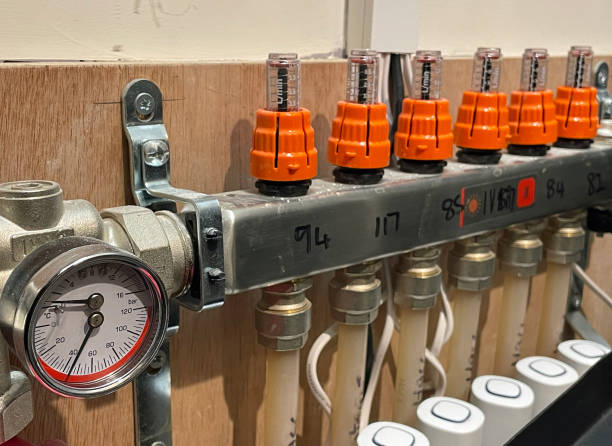
A typical HVAC zoning system in Kansas City runs $2,000 to $6,000 installed for a two- or three-zone setup, with the national average landing around $3,000 and the full range stretching from about $1,500 to $8,500. Where your project falls depends mostly on zone count and the condition of your existing ductwork.
The base install covers the hardware that makes zoning work: motorized dampers inside the ducts, a central control panel, and a thermostat for each zone. Adding a second zone to an existing system generally costs $1,700 to $2,800, and each zone after that adds roughly $350 to $500. A larger Kansas City home wanting four to eight zones sits at the upper end of the range.
The single biggest variable is whether your ducts can be zoned as-is. When they can, you pay for controls and labor. When they cannot, the number climbs, which is the part worth understanding before you commit.
The Components That Make Up the Price
A zoning quote is built from a few specific parts, and knowing what each one costs lets you read an estimate instead of just reacting to the total. None of these are mysterious once broken out.
Motorized Dampers: $100 to $300 Each
Dampers are the moving plates inside your ductwork that open and close to send conditioned air to the zone calling for it. You need one for each zone, sometimes more depending on the duct layout. They are the mechanical heart of the system, and the count scales directly with how many areas you want to control separately.
Zone Control Panel: $200 to $600
The control panel is the brain. It reads each zone’s thermostat and tells the right dampers to open while keeping the others closed. One panel typically manages the whole system, so this is a single line rather than a per-zone charge.
Thermostats: $50 to $250 Each
Every zone gets its own thermostat, from basic programmable models to smart units with phone control. The choice matters for both comfort and savings, since a programmable or smart thermostat in each zone is what turns the hardware into an actual energy reducer rather than just a comfort fix.
Ductwork Modifications: $2,100 to $4,000 If Needed
Here is the swing factor. If your existing ducts can accept dampers, modifications are minor. If the layout needs new runs or a bypass to work correctly, retrofit ductwork can add $2,100 to $4,000. This is why two homes on the same Kansas City street can get very different quotes for what sounds like the same job.
A proper zone control system assessment starts by inspecting your ductwork, because that inspection is what separates a real quote from a guess.
Why Kansas City Two-Story Homes Need Zoning
The uneven-temperature problem zoning fixes is especially common in Kansas City because of how the metro’s homes are built and how extreme the seasons are. Understanding the local version of the problem is half of deciding whether the cost is worth it.
Most two-story Kansas City homes run on a single thermostat, usually mounted downstairs. When that thermostat hits its target, the whole system shuts off, even though heat has risen and the upstairs bedrooms are still warm. In neighborhoods full of two-story colonials and older homes, like Brookside, Waldo, and the Northland’s newer subdivisions, that means a summer of cold main floors and stifling upstairs bedrooms.
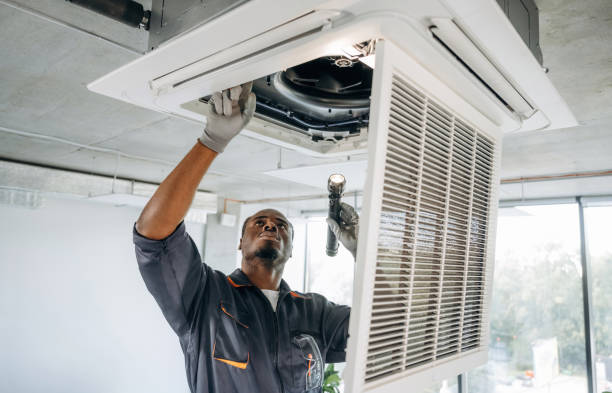
Winter flips the complaint. Warm air rises, so the upstairs can feel fine while the finished basement and main floor stay cold, and the family downstairs cranks the heat the upstairs does not need. A zoning system gives each floor its own thermostat and its own dampers, so the system conditions the space that actually needs it instead of overshooting one floor to satisfy another.
Kansas City’s climate makes this more than a minor annoyance. The metro swings from single-digit January mornings to 95-degree, high-humidity July afternoons, so the HVAC system works hard on both ends of the year. That constant demand is exactly where a single-zone setup wastes the most energy, and where zoning earns its keep.
Do the Energy Savings Justify the Cost?
Zoning can pay part of its own way, and the number is meaningful. According to the U.S. Department of Energy, zoning a heating and cooling system, paired with programmable thermostats, can save up to 30% on a typical heating and cooling bill by conditioning only the areas in use rather than the whole house at once.
The savings come from runtime. A single-zone system heats or cools the entire home every cycle, including empty bedrooms and unused floors. A zoned system directs air to occupied space, so the equipment runs less and draws less energy. ENERGY STAR notes that heating and cooling is the largest energy expense in most homes, which is why trimming that runtime moves the bill in a way smaller fixes cannot.
Be realistic about the payback. The 30% figure depends on actually using the zone schedules, setting bedrooms back during the day and living areas back at night. Installed well and used correctly, zoning combines a lower bill with the comfort win of ending the thermostat war, which is often the real reason Kansas City homeowners pull the trigger.
The Kansas City Permit You Need for Zoning
Installing an HVAC zoning system in Kansas City requires a mechanical permit, because the work alters your ductwork and adds controls to the heating and cooling system. This is not a job that legally happens off the books. According to the City of Kansas City permit office, mechanical work like this falls under the city’s combined permit system and must be handled by a licensed, registered contractor, with the work inspected afterward.
That requirement is a feature, not a hassle. A permitted, inspected zoning install protects you if you sell the home, and it confirms the dampers, bypass, and controls were sized and installed correctly rather than jury-rigged into ducts that cannot handle them. A contractor who wants to skip the permit to shave the price is telling you something about how the rest of the job will go.
For a homeowner comparing bids, a proper quote includes the permit and the inspection as line items. That transparency is one of the clearest signs you are dealing with a real contractor rather than a lowball operation.
Retrofit or New System? Making the Call in Kansas City
Whether to zone an existing system or fold zoning into a new one is the decision that most affects your total cost. Both paths are valid, and the right answer depends on the age of your equipment.
If your furnace and air conditioner are relatively new and in good shape, a zoning retrofit makes sense: you add dampers, a control panel, and thermostats to the system you already own, landing in that $2,000 to $6,000 range for most homes. The equipment keeps doing its job, just smarter.
If your HVAC system is already 12 to 15 years old and nearing replacement, the math changes. Bolting zoning onto a system that will fail in a year or two wastes money, so it is usually smarter to design zoning into the new installation from the start. That way the equipment, ductwork, and zone controls are matched as one system, which performs better and often costs less than doing the two jobs separately. This is the exact conversation worth having before spending anything.
Getting Zoning Priced Right for Your Kansas City Home
HVAC zoning system cost in Kansas City comes down to zone count and ductwork, landing most homes between $2,000 and $6,000, with the number rising if your ducts need modification or you want more than a few zones. The upside is real: an end to the upstairs-downstairs thermostat war and up to 30% off a heating and cooling bill when the system is used the way it is designed. The one detail not to skip is the mechanical permit, which protects the work and your home’s resale value.
The right first step is a ductwork assessment, because that inspection decides whether you are looking at a straightforward retrofit or a project that pairs better with a new system. All 4 One Heating & Cooling designs and installs zoning systems across the Kansas City metro, quotes the ductwork and permit up front, and tells you honestly whether zoning your current system or building it into a new one is the smarter spend. Call 816-699-8366 or contact us to get your home assessed before the next Kansas City summer starts the thermostat fight all over again.
FAQ
How much does an HVAC zoning system cost in Kansas City, MO?
Most HVAC zoning systems in Kansas City cost $2,000 to $6,000 installed for a two- or three-zone setup, with a national average around $3,000. Adding a second zone runs $1,700 to $2,800, and each additional zone adds $350 to $500. Ductwork modifications, if needed, can add $2,100 to $4,000.
Is an HVAC zoning system worth it in Kansas City?
For two-story homes with hot upstairs bedrooms and cold main floors, it usually is. Zoning fixes the uneven temperatures a single thermostat cannot, and the Department of Energy says it can save up to 30% on a heating and cooling bill when paired with programmable thermostats and used correctly.
Do I need a permit to install a zoning system in Kansas City?
Yes. HVAC zoning alters your ductwork and controls, so Kansas City requires a mechanical permit pulled by a licensed contractor, with the work inspected afterward. A reputable contractor includes the permit in the estimate rather than skipping it to lower the price.
Can any HVAC system be zoned, or do I need new ductwork?
Many existing systems can be zoned by adding motorized dampers, a control panel, and thermostats. Whether new ductwork is needed depends on your duct layout, which is why a professional inspection comes first. Homes needing new runs or a bypass pay $2,100 to $4,000 more.
Should I zone my current system or wait for a new one?
If your furnace and air conditioner are newer and healthy, a zoning retrofit makes sense. If your equipment is 12 to 15 years old and near replacement, it is usually smarter to design zoning into the new system so the equipment, ducts, and controls are matched from the start.