All 4 One Heating & Cooling
Frequently Asked Questions
- Licensed Kansas & Missouri
- 26 Years Experience
- Emergency Service
(816) 699-8366
Get Your Estimate
Frequently Asked Questions
At All 4 One Heating & Cooling, we believe informed customers make better decisions about their home comfort. Whether you’re dealing with an unexpected air conditioning breakdown, planning a furnace replacement, scheduling routine maintenance, or upgrading your plumbing fixtures, it’s natural to have questions before moving forward.
Since 2018, we’ve helped homeowners and businesses throughout the Kansas City metro with honest recommendations, dependable workmanship, and customer-focused service backed by more than 26 years of HVAC industry experience. Over the years, we’ve answered thousands of questions about heating, cooling, indoor air quality, plumbing, maintenance, energy efficiency, and system replacements.
Below you’ll find answers to many of the questions we hear most often. If you don’t find the information you’re looking for, contact All 4 One Heating & Cooling and our team will be happy to help.
Current Specials & Financing
All 4 One Heating & Cooling runs six ongoing specials on the services Kansas City homeowners request most often, along with financing options for larger heating, cooling, and plumbing projects.
10% Off AC Installation.
$100 Off Furnace Installation.
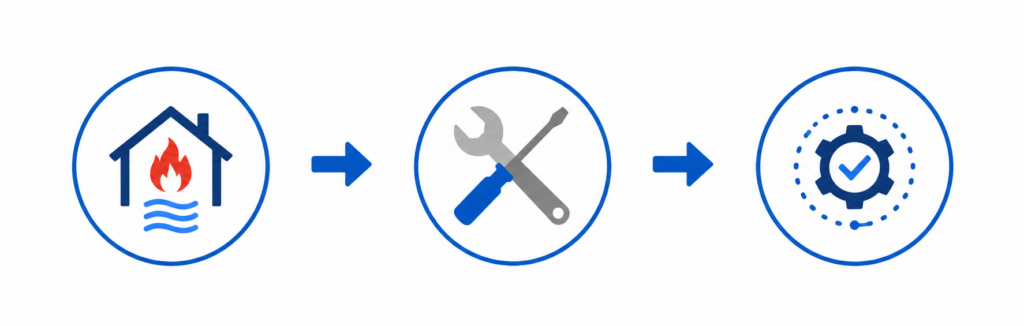
$25 Off Furnace Repair.
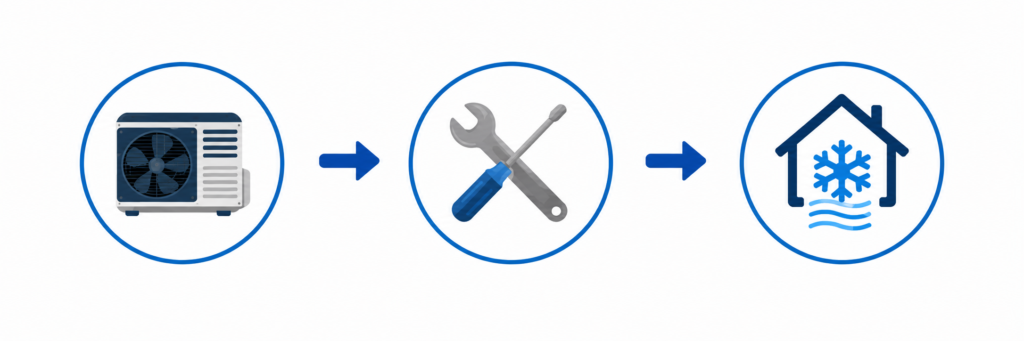
$50 Off Fixture Installation.
15% Off Duct Cleaning.
$25 Off Residential Maintenance.
General HVAC Questions
How long should an HVAC system last?
Air conditioners generally last between 12 and 15 years, while furnaces often provide reliable service for 15 to 20 years with proper maintenance. Heat pumps typically have a lifespan of 10 to 15 years because they operate year-round for both heating and cooling.
The actual lifespan depends on several factors, including installation quality, maintenance history, equipment usage, and the local climate. Scheduling annual maintenance and replacing air filters regularly can help extend the life of your HVAC system.
How do I know if I should repair or replace my HVAC system?
It depends on the age of the system, repair costs, and overall performance.
If your equipment is relatively new and the repair is minor, fixing the system is usually the most cost-effective option. However, if your system is over 15 years old, breaks down frequently, struggles to maintain comfortable temperatures, or requires expensive repairs, replacement may provide better long-term value. Our technicians will inspect your equipment, explain its condition, and help you compare repair costs with replacement options so you can make an informed decision.
How often should my HVAC system be serviced?
Most HVAC systems should receive professional maintenance twice each year. Ideally, your air conditioner should be serviced during the spring before the cooling season begins, while your furnace should be inspected during the fall before colder weather arrives.
Routine maintenance helps improve efficiency, reduce unexpected breakdowns, extend equipment life, and identify worn components before they become larger problems.
Why are my energy bills suddenly higher?
An unexpected increase in utility costs often indicates your HVAC system is working harder than it should.
Common causes include:
- Dirty air filters
- Low refrigerant
- Dirty evaporator or condenser coils
- Air leaks in ductwork
- Aging equipment
- Worn electrical components
- Poor airflow
- Thermostat problems
A professional inspection can identify the cause and restore your system’s efficiency.
How often should I replace my HVAC air filter?
Most standard filters should be replaced every one to three months. Homes with pets, allergy sufferers, smokers, or higher dust levels may require more frequent filter changes. A clean filter improves airflow, reduces strain on your HVAC system, helps maintain indoor air quality, and can lower monthly energy costs.
Can a dirty air filter damage my HVAC system?
Yes. A clogged air filter restricts airflow, forcing your HVAC system to work harder than necessary. Over time, this can cause frozen evaporator coils, overheating, blower motor damage, increased energy consumption, and premature system wear. Replacing your filter regularly is one of the simplest and most important maintenance tasks homeowners can perform.
What temperature should I keep my thermostat?
During summer, many homeowners keep their thermostat around 78°F while they’re home and slightly higher when away.
During winter, 68°F is often recommended for comfort and efficiency.
Installing a programmable or smart thermostat can automatically adjust temperatures throughout the day, helping reduce energy consumption without sacrificing comfort.
Is a smart thermostat worth installing?
For many homeowners, yes.
Smart thermostats learn your schedule, automatically adjust temperatures, provide remote access through your smartphone, and help reduce unnecessary heating and cooling.
Many homeowners notice improved comfort and lower energy bills after upgrading to a smart thermostat.
Why should I hire a licensed HVAC contractor?
Heating and cooling systems involve electrical components, refrigerant, gas connections, ventilation, and airflow that all need to be installed correctly for safe and efficient operation.
Hiring a licensed contractor helps ensure your equipment is installed according to applicable building codes and manufacturer specifications. It also gives you greater confidence that the work is being completed by qualified professionals who understand proper installation practices, system diagnostics, and long-term equipment performance.
Choosing a licensed contractor like All 4 One Heating & Cooling helps protect your investment while giving you peace of mind that your heating and cooling system is built to operate safely and reliably for years to come.
What does HVAC stand for?
HVAC stands for Heating, Ventilation, and Air Conditioning.
Your HVAC system works together to heat your home during winter, cool it during summer, circulate air throughout your property, and help maintain comfortable indoor humidity levels.
What is the difference between HVAC maintenance and HVAC repair?
Maintenance is preventative, while repairs correct existing problems.
Maintenance includes cleaning components, inspecting electrical connections, testing system performance, checking refrigerant levels, replacing filters, and identifying worn parts before they fail.
Repairs become necessary when something has already malfunctioned, such as a failed capacitor, damaged blower motor, refrigerant leak, or faulty thermostat.
Can regular maintenance really save money?
Absolutely.
Routine maintenance helps your system operate more efficiently, reduces wear on expensive components, lowers energy consumption, and catches small problems before they require costly repairs or emergency service.
Over the life of your HVAC system, preventative maintenance often costs far less than major repairs or premature equipment replacement.
Why is one room hotter or colder than the rest of my house?
Uneven temperatures usually indicate an airflow or system balance issue.
Possible causes include:
- Blocked supply vents
- Dirty air filters
- Leaky ductwork
- Improper system sizing
- Poor insulation
- Closed dampers
- Thermostat location
Our technicians can evaluate your HVAC system and recommend solutions that improve comfort throughout your home.
Does closing vents in unused rooms save money?
In most cases, no.
Closing supply vents can actually increase pressure inside your duct system, reducing airflow and placing additional strain on your HVAC equipment.
Instead of improving efficiency, closed vents often create performance problems that reduce overall comfort.
How do I know if my HVAC system is properly sized?
Proper sizing involves much more than the square footage of your home.
Professionals consider factors such as:
- Home size
- Ceiling height
- Insulation levels
- Window placement
- Sun exposure
- Occupancy
- Local climate
- Air leakage
Installing equipment that’s too large or too small can reduce efficiency, shorten equipment life, and create uneven temperatures throughout your home.
How can I improve my HVAC system's efficiency?
There are several ways to improve efficiency without replacing your equipment.
Simple improvements include changing air filters regularly, scheduling annual maintenance, sealing air leaks, keeping vents unobstructed, cleaning around the outdoor unit, installing a programmable thermostat, and ensuring your home is properly insulated.
If your equipment is older, upgrading to a higher-efficiency system with improved SEER2 and AFUE ratings may provide even greater long-term savings.
Should I turn my HVAC system off when I'm away?
It’s generally better to adjust the temperature rather than turn the system off completely.
Allowing your home to become extremely hot or cold means your HVAC system must work much harder to restore comfortable temperatures when you return. Using a programmable or smart thermostat to adjust temperatures while you’re away is usually the most efficient approach.
What are SEER2 and AFUE ratings?
These ratings measure HVAC efficiency.
SEER2 (Seasonal Energy Efficiency Ratio 2) measures how efficiently an air conditioner or heat pump cools your home. Higher SEER2 ratings indicate greater cooling efficiency.
AFUE (Annual Fuel Utilization Efficiency) measures how efficiently a gas furnace converts fuel into heat. Higher AFUE ratings mean more of the fuel you pay for is used to heat your home instead of being lost during operation.
Understanding these ratings can help you compare new equipment and choose a system that balances comfort, efficiency, and long-term operating costs.
Air Conditioning FAQs
Why is my air conditioner running but not cooling my home?
Several issues can prevent your air conditioner from cooling properly, even if it’s still running. Common causes include low refrigerant, a dirty air filter, frozen evaporator coils, a faulty capacitor, thermostat problems, dirty condenser coils, or restricted airflow. Before assuming the worst, check that your thermostat is set to “Cool,” replace a dirty air filter if needed, and make sure the outdoor unit is free of leaves and debris. If the problem continues, it’s best to schedule professional service so the underlying issue can be diagnosed and repaired.
Why is my air conditioner freezing up?
Ice on your indoor or outdoor unit usually means the system isn’t getting enough airflow or there’s a refrigerant-related problem. Dirty filters, blocked vents, dirty evaporator coils, or low refrigerant levels are some of the most common causes. If you notice ice on the refrigerant lines or indoor coil, turn the system off and allow it to thaw before calling for service. Continuing to run a frozen system can damage the compressor and lead to more expensive repairs.
Why is my AC making strange noises?
Your air conditioner should operate relatively quietly. Grinding, squealing, rattling, buzzing, or banging noises often indicate worn or loose components that should be inspected before they cause additional damage.
Different sounds may point to different problems:
- Banging may indicate a loose or damaged compressor component.
- Squealing often involves the blower motor.
- Buzzing may suggest electrical issues.
- Rattling could mean loose panels or debris inside the unit.
If you hear unusual noises, scheduling service early can often prevent more costly repairs.
Why does my air conditioner keep turning on and off?
This issue, known as short cycling, prevents your system from completing a full cooling cycle. Common causes include an oversized air conditioner, dirty air filters, thermostat problems, refrigerant issues, restricted airflow, or electrical faults.
Short cycling reduces efficiency, increases wear on your equipment, and may shorten the lifespan of your HVAC system. A professional inspection can identify the cause and restore normal operation.
How long should an air conditioner last?
Most central air conditioning systems last between 12 and 15 years, although well-maintained systems may continue operating longer. Regular maintenance, clean air filters, proper installation, and timely repairs all contribute to a longer equipment lifespan.
If your air conditioner is approaching 15 years old and requiring frequent repairs, replacing it with a modern high-efficiency system may provide better long-term value.
Should I repair or replace my air conditioner?
The answer depends on your system’s age, repair history, efficiency, and the cost of the repair. If the repair is relatively inexpensive and your system still has several years of useful life remaining, repairing it is often the best choice.
However, replacement may be more cost-effective if:
- Your system is more than 12 to 15 years old.
- Repairs are becoming frequent.
- Cooling performance continues to decline.
- Energy bills continue increasing.
- Major components like the compressor have failed.
Our technicians will help you compare your options without unnecessary sales pressure.
What SEER2 rating should I choose?
SEER2 (Seasonal Energy Efficiency Ratio 2) measures how efficiently an air conditioner cools your home. Higher ratings generally translate into lower electricity consumption and improved performance.
The best SEER2 rating depends on your home, budget, and comfort goals. While higher-efficiency systems often cost more upfront, they can reduce monthly utility bills over the life of the equipment. During your estimate, we’ll help you compare available options and choose the right balance between efficiency and investment.
Can low refrigerant damage my air conditioner?
Yes. Refrigerants don’t get “used up” during normal operation. If refrigerant is low, it usually means there’s a leak somewhere in the system.
Low refrigerant can cause:
- Frozen evaporator coils
- Poor cooling performance
- Higher energy bills
- Compressor damage
- Reduced equipment lifespan
Simply adding refrigerant without repairing the leak isn’t a permanent solution. Our technicians locate the source of the leak, complete the necessary repairs, and recharge the system according to manufacturer specifications.
Why is water leaking from my indoor AC unit?
Water around your indoor unit often indicates a clogged condensate drain line, damaged drain pan, frozen evaporator coil, or improper installation. While a small amount of condensation is normal, water leaking onto your floor isn’t.
Ignoring the problem may lead to water damage, mold growth, or additional HVAC issues. Prompt repairs help protect both your equipment and your home.
Is it normal for my AC to run all day during extremely hot weather?
During periods of extreme summer heat, it’s normal for an air conditioner to run longer than usual to maintain indoor temperatures. However, if your system runs continuously and never reaches the thermostat setting, it may indicate an underlying problem such as low refrigerant, dirty coils, poor insulation, undersized equipment, or air leaks within the home.
A professional inspection can determine whether your system is operating normally or if repairs are needed.
Heat Pump FAQs
Why won't my furnace start?
A furnace that won’t start can have several possible causes, including thermostat issues, a dirty flame sensor, ignition problems, a tripped breaker, clogged air filters, or electrical component failures. Before calling for service, check that your thermostat is set to “Heat,” replace a dirty filter if necessary, and verify that the circuit breaker hasn’t tripped.
If your furnace still won’t operate, our technicians can perform a complete diagnostic inspection to identify the problem safely and accurately.
Why is my furnace blowing cold air?
Cold air from your furnace doesn’t always mean the system has failed. Sometimes the blower fan continues operating briefly after the burners shut off. However, persistent cold air may indicate ignition problems, a dirty flame sensor, thermostat issues, overheating caused by restricted airflow, or other mechanical concerns.
A professional inspection will determine the cause and restore proper heating performance.
How long does a furnace usually last?
Most furnaces provide reliable heating for 15 to 20 years when properly maintained. Regular tune-ups, clean filters, and prompt repairs all contribute to a longer service life.
As furnaces age, efficiency often declines and repairs become more frequent. If your furnace is nearing the end of its lifespan, replacing it with a modern high-efficiency model may reduce operating costs while improving comfort
Should I repair or replace my furnace?
If your furnace is relatively new and the repair is minor, repairing the system is usually the best option. However, replacement may be worth considering if the furnace is older, frequently breaks down, or requires an expensive repair such as a failed heat exchanger or blower motor.
We’ll inspect your equipment, explain its condition, and provide honest recommendations so you can make the decision that’s best for your home and budget.
What does AFUE mean?
AFUE (Annual Fuel Utilization Efficiency) measures how efficiently a furnace converts fuel into usable heat. For example, a furnace with a 95% AFUE rating converts approximately 95% of the fuel it consumes into heat while only 5% is lost through the exhaust system.
Higher AFUE ratings generally result in lower heating costs and improved energy efficiency, making them an important consideration when replacing an older furnace.
Why does my furnace keep shutting off?
If your furnace starts normally but shuts off before reaching the desired temperature, it may be short cycling. Common causes include restricted airflow, clogged air filters, dirty flame sensors, overheating, thermostat issues, or improper system sizing.
Short cycling places unnecessary strain on your furnace, reduces efficiency, and increases wear on major components. Identifying the cause early helps prevent more expensive repairs later.
What size furnace does my home need?
The right furnace size depends on much more than your home’s square footage. Factors such as insulation, window efficiency, ceiling height, air leakage, and the local climate all influence heating requirements.
Installing an oversized furnace can lead to short cycling and uneven temperatures, while an undersized unit may struggle to keep your home comfortable during colder weather. Our team evaluates your home’s heating needs before recommending replacement equipment.
Are high-efficiency furnaces worth the investment?
For many homeowners, yes. High-efficiency furnaces provide improved comfort, lower heating costs, quieter operation, and better energy performance compared to older equipment.
Although they typically have a higher upfront cost, the energy savings over time often help offset that investment. We’ll help you compare available furnace options and determine whether a high-efficiency system is the right fit for your home.
Heating FAQs
How does a heat pump work?
Unlike a furnace, which creates heat by burning fuel or using electric heating elements, a heat pump transfers heat from one place to another. During the winter, it pulls heat from the outdoor air and moves it inside your home. During the summer, the process reverses, removing heat from your home to keep it cool. Because it transfers heat instead of generating it, a heat pump can provide excellent energy efficiency while delivering year-round comfort.
Can a heat pump replace my furnace?
In many homes, yes. Modern heat pumps are designed to provide both heating and cooling, making them an excellent all-in-one comfort solution. Depending on your home’s heating needs and the local climate, some homeowners choose a heat pump as their primary heating source, while others prefer a dual-fuel system that combines a heat pump with a gas furnace for maximum efficiency during extremely cold weather. We’ll help you determine which option best fits your home and budget.
Do heat pumps work during Kansas City winters?
Yes. Today’s high-efficiency heat pumps perform much better in colder temperatures than older models. However, during periods of extreme cold, some systems rely on auxiliary electric heat or a gas furnace to help maintain indoor comfort. Choosing the right heat pump and installing it correctly are essential for dependable winter performance.
How often should a heat pump be serviced?
Because heat pumps provide both heating and cooling, they work throughout the entire year. Professional maintenance is recommended twice annually, typically once before the cooling season and once before the heating season. Regular maintenance helps improve efficiency, reduce wear on components, and keep the system operating reliably.
Indoor Air Quality FAQs
Why is my home so dusty?
Excessive dust can be caused by dirty air filters, leaky ductwork, poor filtration, inadequate cleaning, or indoor air quality issues. While some dust is unavoidable, excessive buildup often indicates that your HVAC system isn’t filtering airborne particles as effectively as it should.
Replacing filters regularly, sealing duct leaks, and upgrading your air filtration system can significantly improve indoor air quality.
Do whole-home air purifiers really work?
Cold air from your furnace doesn’t always mean the system has failed. Sometimes the blower fan continues operating briefly after the burners shut off. However, persistent cold air may indicate ignition problems, a dirty flame sensor, thermostat issues, overheating caused by restricted airflow, or other mechanical concerns.
A professional inspection will determine the cause and restore proper heating performance.
Is duct cleaning worth it?
Professional duct cleaning can be beneficial if your ductwork contains excessive dust, debris, pet hair, construction materials, or visible mold growth. Clean ductwork may improve airflow, reduce airborne dust, and help maintain a cleaner indoor environment.
If you’ve recently completed a remodeling project, purchased an older home, or haven’t had your ducts cleaned in many years, duct cleaning may be worth considering.
How often should air ducts be cleaned?
There isn’t a universal schedule, but many homeowners choose to have their ductwork inspected every few years. Factors such as pets, allergies, smoking, remodeling projects, and overall indoor air quality may affect how often duct cleaning is needed.
Our team can inspect your duct system and recommend cleaning only when it’s truly beneficial.
Should I install a whole-home humidifier?
A whole-home humidifier can improve comfort during dry winter months by adding moisture to the air throughout your home. Proper humidity levels may reduce dry skin, static electricity, and discomfort while helping protect certain wood furnishings and flooring from excessive dryness.
If your home feels especially dry during the heating season, a whole-home humidifier may be a worthwhile investment.
Can poor indoor air quality affect my health?
Poor indoor air quality may contribute to allergy symptoms, respiratory irritation, dry eyes, headaches, and general discomfort, particularly for people with asthma or allergies. Improving filtration, maintaining your HVAC system, replacing filters regularly, and installing indoor air quality products can help create a cleaner and healthier indoor environment.
Plumbing FAQs
What plumbing services do you provide?
In addition to HVAC services, All 4 One Heating & Cooling offers a variety of residential plumbing solutions, including water heater services, bathroom plumbing, kitchen plumbing, fixture installations, repiping, and light plumbing repairs. Our goal is to provide convenient home comfort solutions from one trusted company.
Why is my water heater running out of hot water?
Several issues can reduce the amount of hot water available in your home. Sediment buildup inside the tank, worn heating elements, thermostat problems, or an undersized water heater are among the most common causes.
If your water heater consistently struggles to provide enough hot water, our technicians can inspect the unit and recommend repair or replacement if necessary.
How long should a water heater last?
Traditional tank water heaters generally last 8 to 12 years, while tankless water heaters often last 20 years or more with proper maintenance. Regular inspections and flushing the tank to remove sediment can help extend the life of your water heater.
Should I repair or replace my water heater?
If your water heater is relatively new and the problem is minor, repairing it may be the most practical solution. However, replacement is often recommended if the unit is leaking, nearing the end of its expected lifespan, producing rusty water, or requiring frequent repairs.
We’ll evaluate your water heater and explain your options so you can choose the solution that provides the best long-term value.
What's the difference between a tank and tankless water heater?
A traditional water heater stores hot water inside a tank, while a tankless water heater heats water only when it’s needed. Tankless systems typically provide greater energy efficiency, endless hot water for most households, and a longer lifespan, although they generally require a higher upfront investment.
We’ll help you compare both options to determine which is right for your home.
Why does my faucet keep dripping?
A dripping faucet is often caused by worn washers, damaged cartridges, loose seals, or deteriorated internal components. While it may seem like a minor issue, even a slow drip can waste a significant amount of water over time and increase your utility bill.
Replacing worn parts promptly helps prevent unnecessary water waste and protects your plumbing fixtures.
When should a home be repiped?
Repiping may be necessary if your home has aging pipes, frequent leaks, poor water pressure, discolored water, or recurring plumbing problems. Replacing deteriorating plumbing pipes can improve water flow, reduce future repairs, and increase the overall reliability of your plumbing system.
Our team can inspect your plumbing and recommend whether repairs or complete repiping is the better long-term solution.
Still Have Questions?
Every home is different, and every HVAC or plumbing system has its own unique needs. If you didn’t find the answer you were looking for, the professionals at All 4 One Heating & Cooling are here to help.
Whether you have questions about heating and cooling repairs, HVAC replacements, indoor air quality improvements, water heaters, plumbing services, maintenance plans, financing options, or energy-efficient equipment, we’ll take the time to provide clear answers and honest recommendations.
Contact All 4 One Heating & Cooling today to speak with one of our experienced professionals, schedule a service appointment, or request a free estimate. We’re proud to help homeowners and businesses throughout the Kansas City metro make confident decisions about their comfort.